
Good friends, slow fires and the perfect brisket
Welcome to Smoking with GT, a regular Denim Is Good series exploring the world of barbecue, from wood-fired smokers and slow-cooked meats to the people, places, food and stories that make BBQ more than just something you throw on the grill.
There's something about cooking over a wood fire that gets under your skin. Maybe it's the smell of burning timber, the satisfaction of tending a fire for hours or simply the excuse to spend an entire day outdoors with a few mates, some good music and a cold beer. Whatever it is, once you've experienced proper low-and-slow barbecue, it's hard to look at cooking quite the same way again.
For me, barbecue has never been just about the food. It's about the process, the equipment, the people you meet along the way and the conversations that happen while you're waiting for a piece of meat to do its thing. Much like music, it's something that brings people together, and there's always someone who knows a little more than you do, has a different way of doing things or has a story worth hearing.
You might assume my introduction to American-style barbecue happened somewhere in Texas, Tennessee or one of the great barbecue states of the USA. But you'd be wrong. My journey into the world of smoking meat actually began in Canada back in 2008, thanks to a bloke by the name of Larry Wanagas.
Larry was a highly respected Canadian music manager whose artists included k.d. lang and The Trews. We met through the music industry, but what started as a professional connection developed into one of the great friendships of my life. Larry became an important influence on my career, someone whose experience and advice I valued enormously, but he also introduced me to something that would become another lifelong passion: American-style barbecue.
I soon discovered that Larry took his barbecue pretty seriously, and it wasn't long before his enthusiasm rubbed off on me. Like any good obsession, it started with curiosity, developed into a bit of experimentation and eventually became something that required increasingly expensive equipment and a considerable amount of patience.
My first smoker was a Brinkmann Gourmet Electric Smoker & Grill, the same model Larry was using. It was a fairly simple upright electric smoker, nothing particularly flash by today's standards, but at the time it felt like a whole new world of cooking had opened up.
The problem was getting hold of one.
Back in 2008, American-style low-and-slow barbecue hadn't really taken off in Australia. You couldn't simply wander into your local barbecue shop and choose from a wall of offset smokers, pellet grills and smoking accessories like you can today. If you wanted something a little different, you generally had to look overseas.
So I ordered my Brinkmann from the United States, waited for it to arrive and was pretty pleased with myself when it finally turned up. That excitement lasted until I discovered the heating element was designed for the American 120-volt electrical system, not Australia's 240 volts.
A small detail, perhaps, but a fairly important one if you actually wanted to use the thing.
It took a while to have a suitable replacement element made, but eventually I got the Brinkmann up and running. And what a little beauty it turned out to be. That smoker served me well for years, turning out everything from ribs and chicken to brisket while I gradually learned the finer points of temperature control, seasoning, smoke and, most importantly, patience.
By 2016, however, I was ready to take things a little further. I'd developed a real appreciation for traditional wood-fired offset smokers, where the heat and smoke come from a separate firebox and the cook has to manage the fire rather than simply turn a dial. There's something wonderfully hands-on about the process. You're not just cooking meat; you're managing airflow, choosing your timber, watching the temperature and learning how the fire behaves.
2016 turned out to be a pretty big year for me, and not just on the barbecue front. I married the amazing Rachel, my beloved Cronulla Sharks finally broke their premiership drought and won their first NRL Grand Final, and somewhere amongst all that excitement, and with Rachel's blessing made what I still consider one of my best barbecue decisions. I had a Yoder Durango 24 shipped all the way from Kansas, USA. A wife, a Sharks premiership and a serious upgrade to my smoking setup. Looking back, 2016 was a bloody good year.
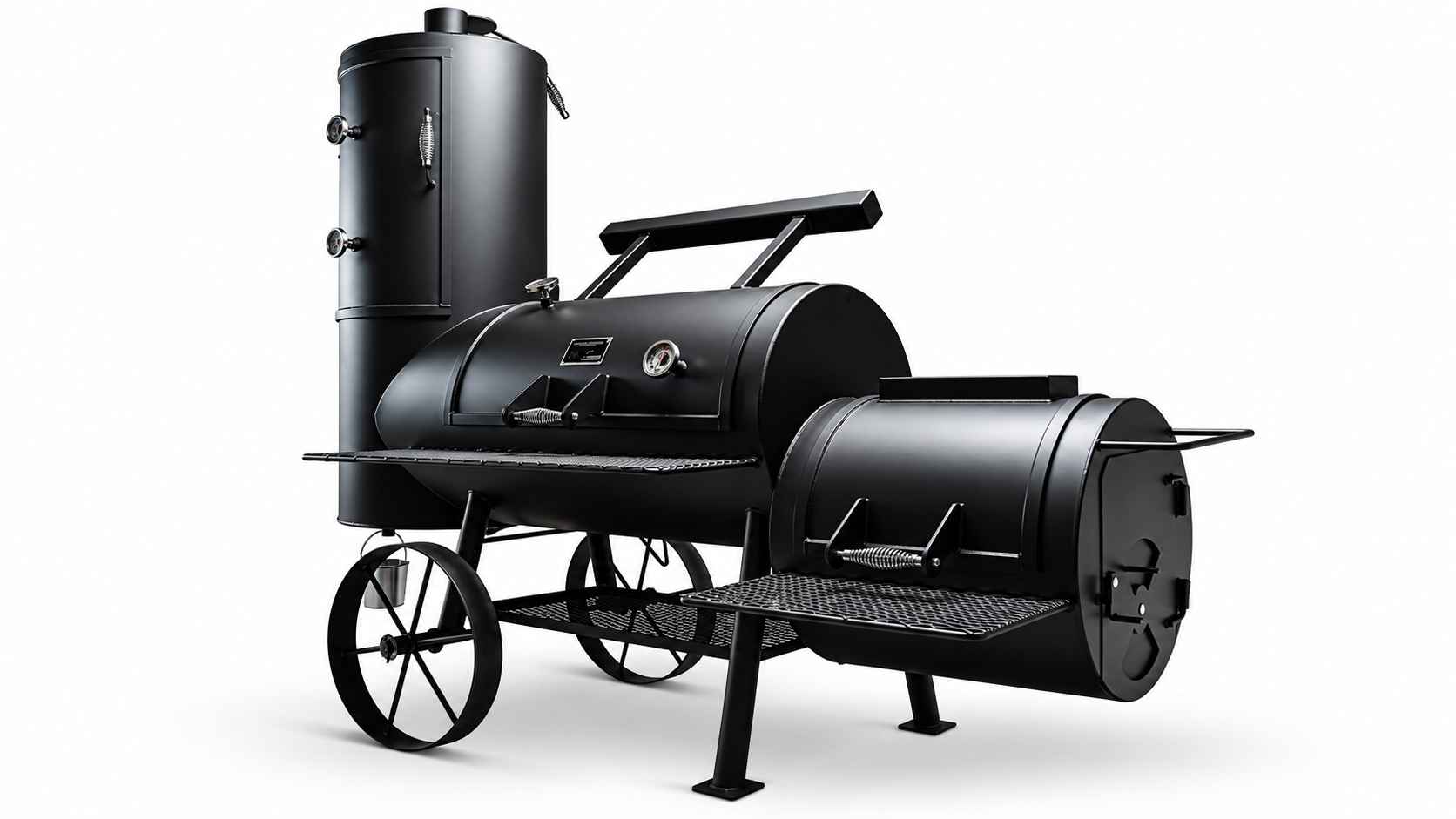
It was a serious upgrade, both in terms of equipment and the commitment required to use it properly. A heavy-duty American offset smoker, built for burning wood and cooking low and slow, it completely changed the way I approached barbecue.
I've never looked back.
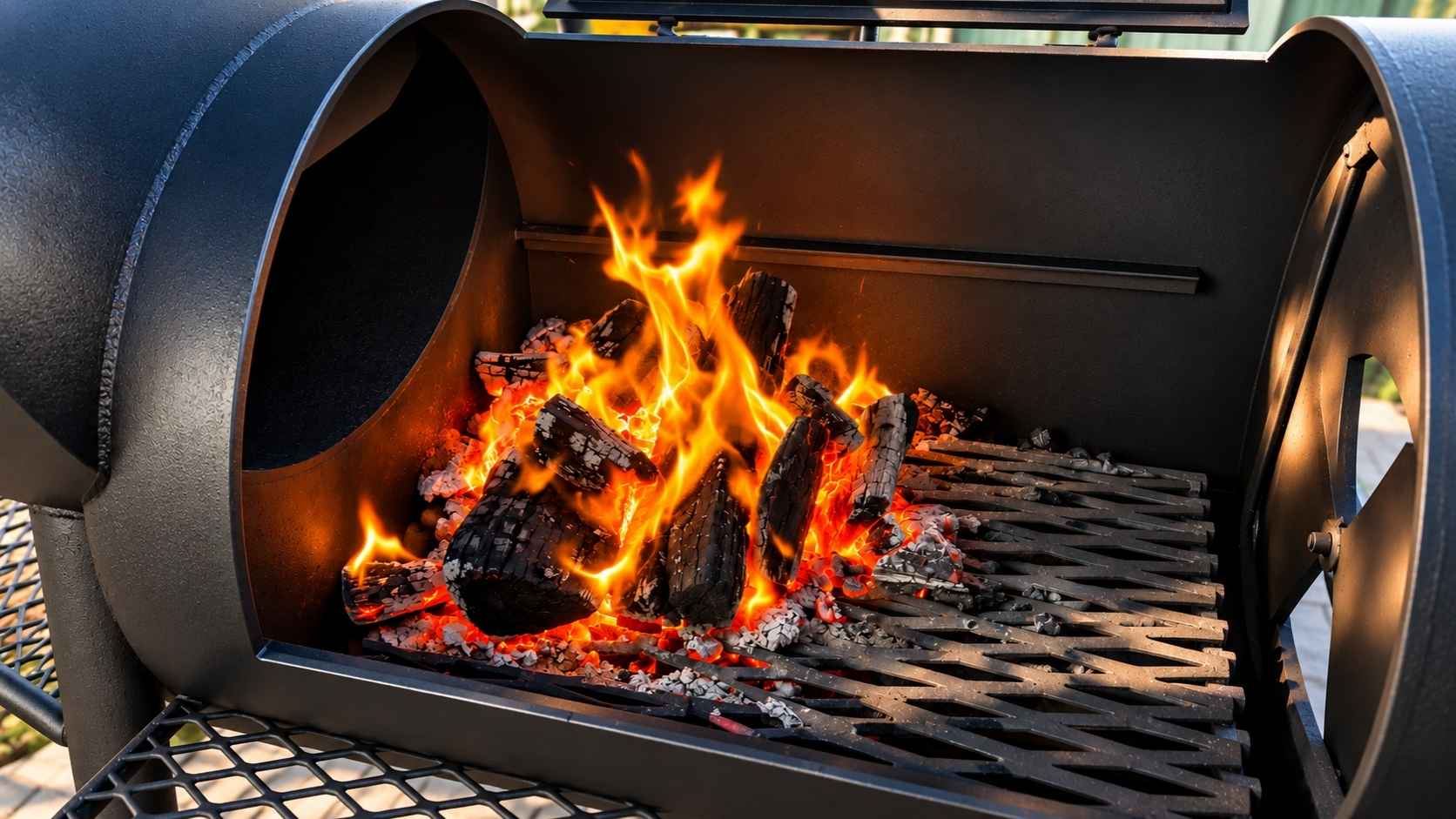
There's a real pleasure in firing up the Yoder early in the morning, getting a clean-burning fire established and watching that first thin stream of smoke drift from the chimney. The day hasn't properly started, the neighbourhood is still quiet and you've got a good ten or twelve hours ahead of you. For some people, that might sound like hard work. For me, it's one of the best ways to spend a day.
And if there's one cut of meat that really captures everything I enjoy about barbecue, it's brisket.
The cook: 5.5kg brisket, wood fire and plenty of patience - Brisket is one of those cuts that rewards patience and punishes shortcuts. It comes from the breast of the animal, a hardworking muscle with plenty of connective tissue, and it's not something you can rush. Cook it too quickly and it can be tough and unforgiving. Give it enough time at the right temperature, however, and that same piece of meat transforms into something quite extraordinary.
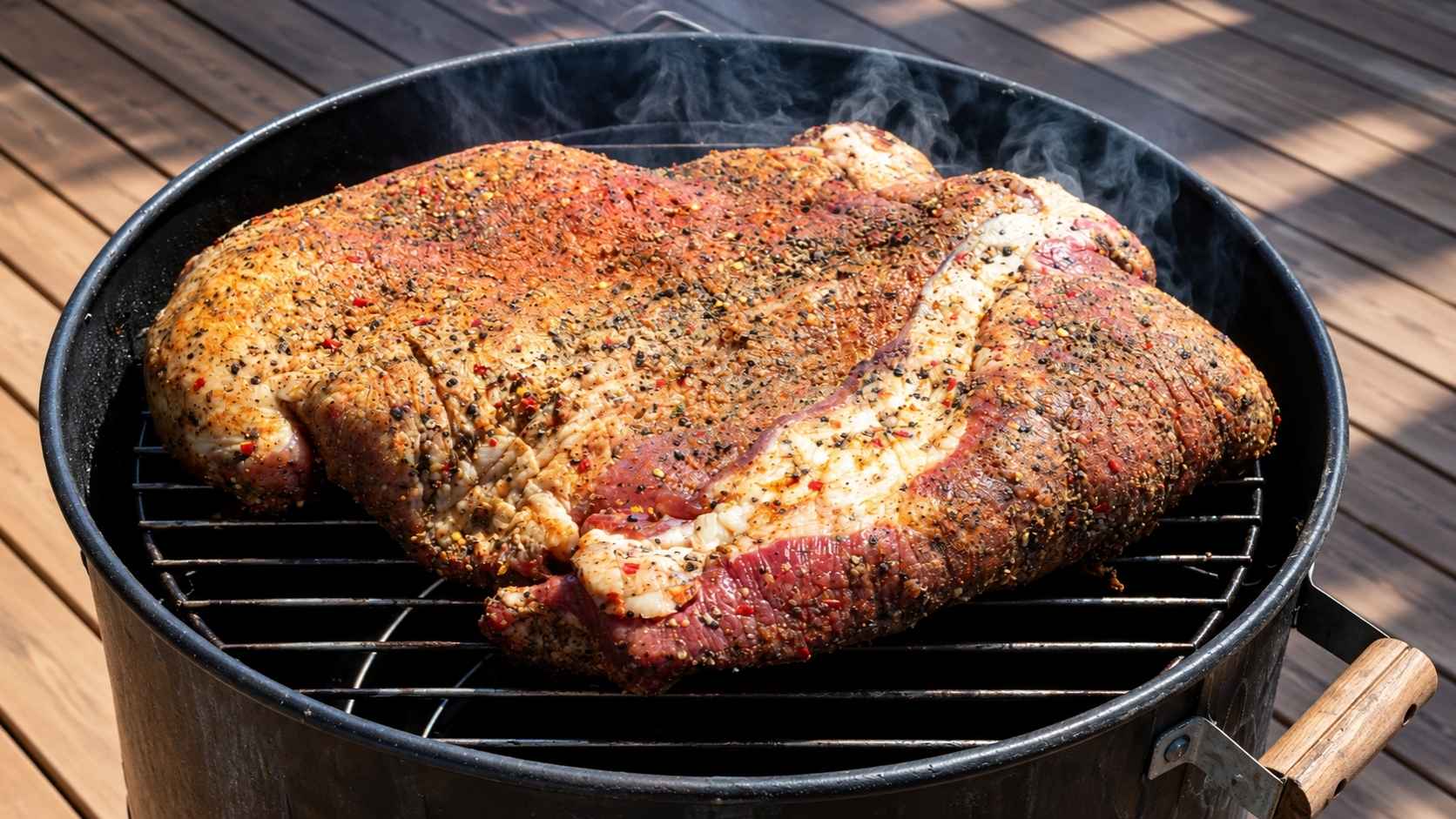
For this cook, I'm using a 5.5kg whole brisket on my Yoder Durango 24 wood-fired offset smoker, running at approximately 125°C. The plan is to have it ready for dinner at 6pm, which means getting out of bed at an hour when most sensible people are still asleep.
But before we get to lighting the fire, there's a little preparation involved.
Every third brisket cook or so, I like to change things up by using a brine or cure. There are plenty of different approaches, and experimenting is half the fun. My butcher, Bryan, who has also become a good mate over the years, prepares a pineapple-flavoured ham and bacon cure for me. And yes, having a butcher named Bryan is a pretty good coincidence.
The curing process begins about a week before the smoke, giving the meat time to develop a different flavour and character. The result takes the brisket in something of a pastrami direction, with the curing process adding another layer of complexity to the finished meat.
It's not something I do every time. Sometimes I prefer a more traditional smoked brisket, letting the beef, pepper and wood smoke do most of the talking. But that's one of the things I enjoy about barbecue. There's always room to experiment, and no two cooks are ever quite the same.
A quick word of caution if you're trying the cured version: use a properly measured, food-safe curing recipe suited to the weight and thickness of the meat. I leave that part to Bryan rather than guessing with curing salts. The method below also works with an uncured brisket, which is the easiest place to start.
Once the brisket is trimmed and ready, it's time for the rub.
I've tried plenty of different combinations over the years, but I've settled on one that gives me the balance of flavour I enjoy. It has the familiar black pepper and garlic you'd expect from a good barbecue rub, along with coriander, paprika, cumin, a little chipotle heat and some dark brown sugar.
Before applying the seasoning, I give the brisket a very thin coating of French's Classic Yellow American Mustard. This acts as a binder, helping the rub stick evenly to the surface of the meat. Don't worry if you're not a mustard fan. The sharp vinegar character mellows during the long cooking process, and you won't end up with a brisket that tastes like mustard.
GT's brisket rub
1 tablespoon coarsely ground black pepper
1 tablespoon ground coriander
1 tablespoon paprika
1 tablespoon garlic powder
1 tablespoon onion powder
1 teaspoon dill weed
1 teaspoon ground mustard
1 teaspoon celery seed
1 teaspoon crushed red pepper
1 teaspoon ground cumin
1 teaspoon chipotle powder
2 tablespoons dark brown sugar
Mix everything thoroughly in a bowl, then apply an even coating over the brisket, making sure you cover all sides.
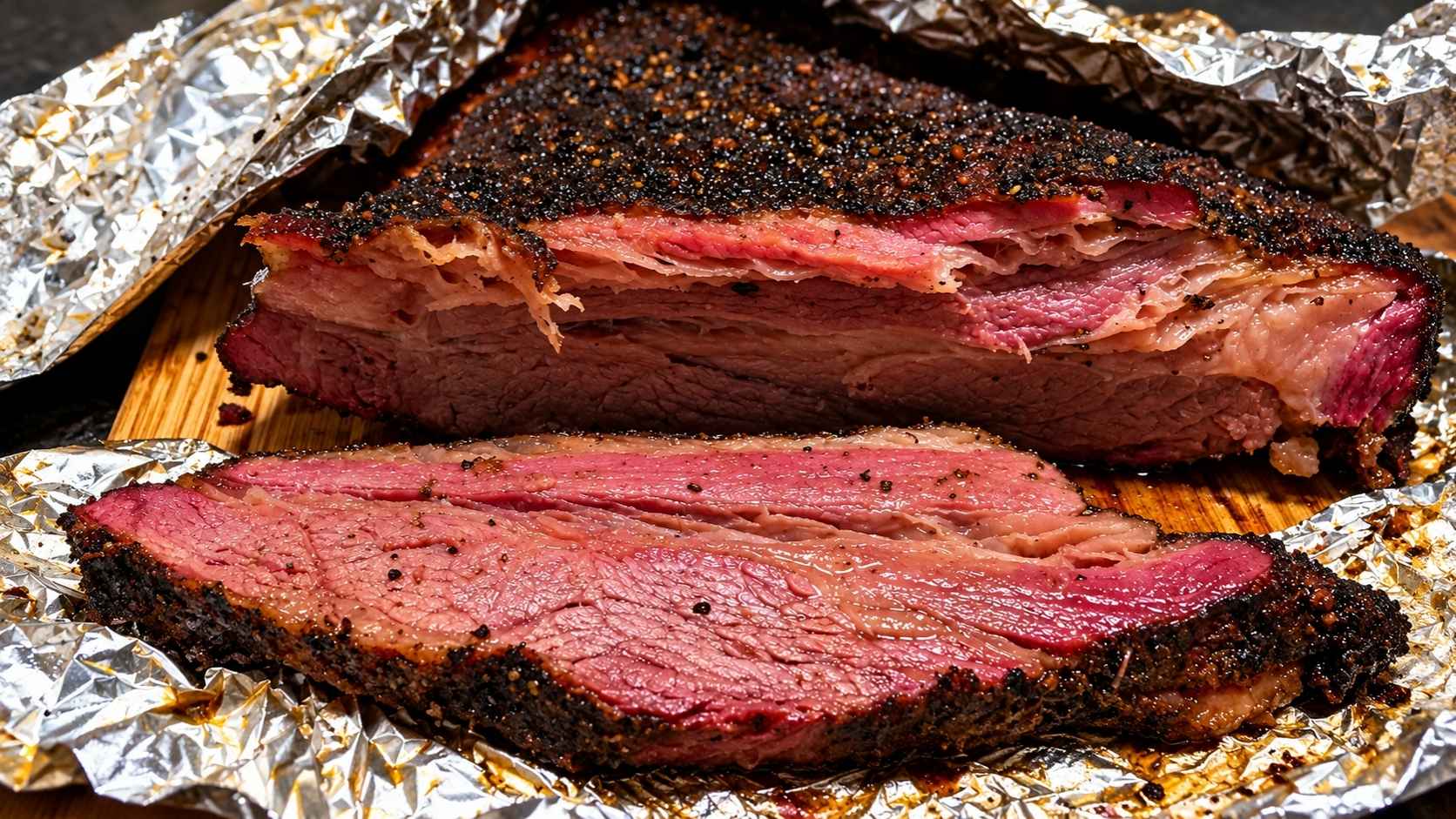
You'll notice there's no salt in this particular rub. That's intentional when I'm cooking a cured brisket, as the curing process has already introduced salt into the meat. If you're using an uncured brisket, season it separately with salt to taste before applying the rub.
The brown sugar helps develop colour and balances some of the stronger spices, while the coriander, cumin and chipotle bring a slightly different character to the finished bark. It's not a traditional Texas salt-and-pepper brisket rub, but barbecue has always been about finding what works for you.
And that's what makes it interesting.
Getting the fire going - For a 6pm dinner, I aim to have the smoker fired up around 4am, with the brisket going on at approximately 4.30am. Yes, that's early, but a 5.5kg brisket can easily take 10 to 13 hours at 125°C, sometimes longer, and I always prefer to build in extra time rather than find myself trying to rush the last few hours.
The first job is establishing a good bed of coals and getting the smoker settled at 125°C. With an offset smoker, maintaining a clean fire is important. I want steady heat and clean, light smoke, not thick clouds of dirty smoke rolling through the cooking chamber.
Once the temperature is stable, the brisket goes on with the fat side facing the main heat source. On my offset, that helps protect the meat from the stronger radiant heat coming from the firebox. The exact orientation will depend on your smoker, but the principle is the same: use the fat and positioning to protect the brisket from the hottest part of the cooking chamber.
Then comes the hardest part for anyone new to smoking meat.
Leaving it alone.
There's a temptation to keep opening the lid, checking the colour, poking the meat and generally interfering with something that really doesn't need much attention in the early stages. But every time you open the cooking chamber, you lose heat and interrupt the process.
I generally leave it for the first three hours before having a proper look. If the surface is drying out too much, I'll give it a light spritz, but only when needed. You want the bark to develop, and constantly wetting the surface can slow that process.
As the morning progresses, the outside of the brisket gradually darkens and develops that beautiful crust known as the bark. This is where the smoke, spices, rendered fat and heat all come together. It's one of the defining characteristics of a good smoked brisket, and something worth taking the time to get right.
Around the time the internal temperature reaches 70–75°C, I'll assess the bark and decide whether it's ready to wrap in butcher paper. The paper helps protect the surface while allowing some moisture to escape, which is why I prefer it to tightly wrapping in foil.
But I don't wrap simply because the thermometer reaches a particular number. If the bark hasn't properly set, I'll give it more time. Colour, texture and feel are just as important as temperature.
From there, it's a matter of continuing the cook until the brisket becomes tender.
As the internal temperature approaches 92°C, I begin checking with a temperature probe, particularly through the thickest part of the flat. A properly cooked brisket should offer very little resistance when the probe slides into the meat. People often describe it as feeling like warm butter, and that's a pretty good comparison.
Most of my briskets finish somewhere around 93–96°C internally, but that's a guide rather than a rule. Every brisket is different. The size, fat content, shape of the cut and behaviour of the smoker can all affect the cooking time.
The thermometer tells you when to start looking. The tenderness tells you when it's done.
GT's brisket timeline: Dinner at 6pm
This is the schedule I work towards for a 5.5kg brisket at 125°C. It's a plan rather than a guarantee, because brisket doesn't always pay much attention to the clock.
4.00am: Light the fire, establish a clean burn and bring the smoker to 125°C. Finish trimming and seasoning the brisket.
4.30am: Brisket goes on, with the fat side facing the heat source.
7.30am: First quick check. Spritz lightly only if the surface looks dry.
9.30am: Check the bark, colour and internal temperature.
10.30–11.30am: Consider wrapping in butcher paper once the bark is set, commonly around 70–75°C internally.
12.30pm: Check the internal temperature and how the cook is progressing.
1.30pm: Begin checking tenderness if the internal temperature is approaching 92°C.
2.00–3.30pm: Ideal finishing window. Remove when probe-tender, often around 93–96°C. When finished Carefully vent the wrapping for around 15–20 minutes to reduce carryover cooking. After venting Rewrap and transfer to an oven or holding cabinet at approximately 65°C, ensuring the meat stays above 60°C.
5.45pm: Remove from the hold, unwrap and slice against the grain.
6.00pm: Dinner is served.
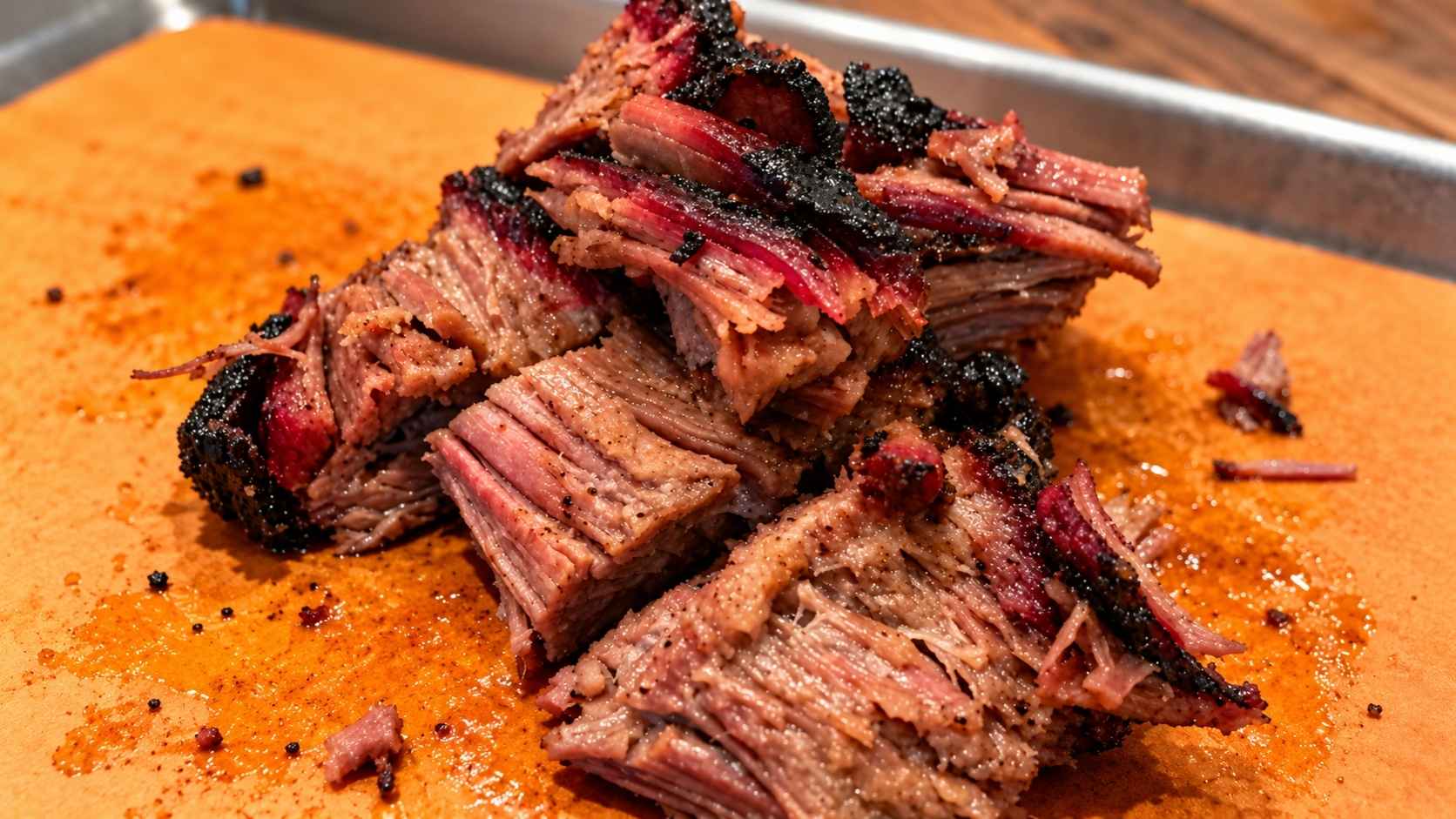
If the brisket finishes early, that's usually a good thing. A proper rest and warm hold can make a remarkable difference to the finished result, giving the juices time to settle and the meat a chance to relax before slicing.
I generally allow two to three hours for resting and holding, and an oven set to approximately 65°C works well for this, provided it maintains a reliable food-safe temperature. If your oven doesn't hold that low temperature consistently, use a suitable alternative and check the meat temperature rather than relying on the dial alone.
The important temperatures to keep in mind are 125°C for the smoker, around 70–75°C as a possible wrapping point, and approximately 93–96°C as a common finishing range. For holding, aim for around 65°C, keeping the meat above 60°C for food safety.
And remember, the schedule is flexible. If the brisket is running behind, it might need more time, and the serving time may need to move. There's no point pulling it off the smoker before it's ready simply because people are getting hungry.
The best part of the day, by the time the brisket is resting, the hard work is done. The fire has been tended, the wood has burned down, and that beautiful smell of smoked beef has probably been drifting around the neighbourhood for most of the day.
For me, this is when barbecue really comes into its own.
Friends start arriving, someone puts some music on, the drinks come out and the conversation turns to everything from what's happening in the world to the next concert, the next road trip or the next thing we're going to cook. There's usually someone hanging around the smoker asking questions, and there's always a bit of friendly debate about the best way to cook a brisket.
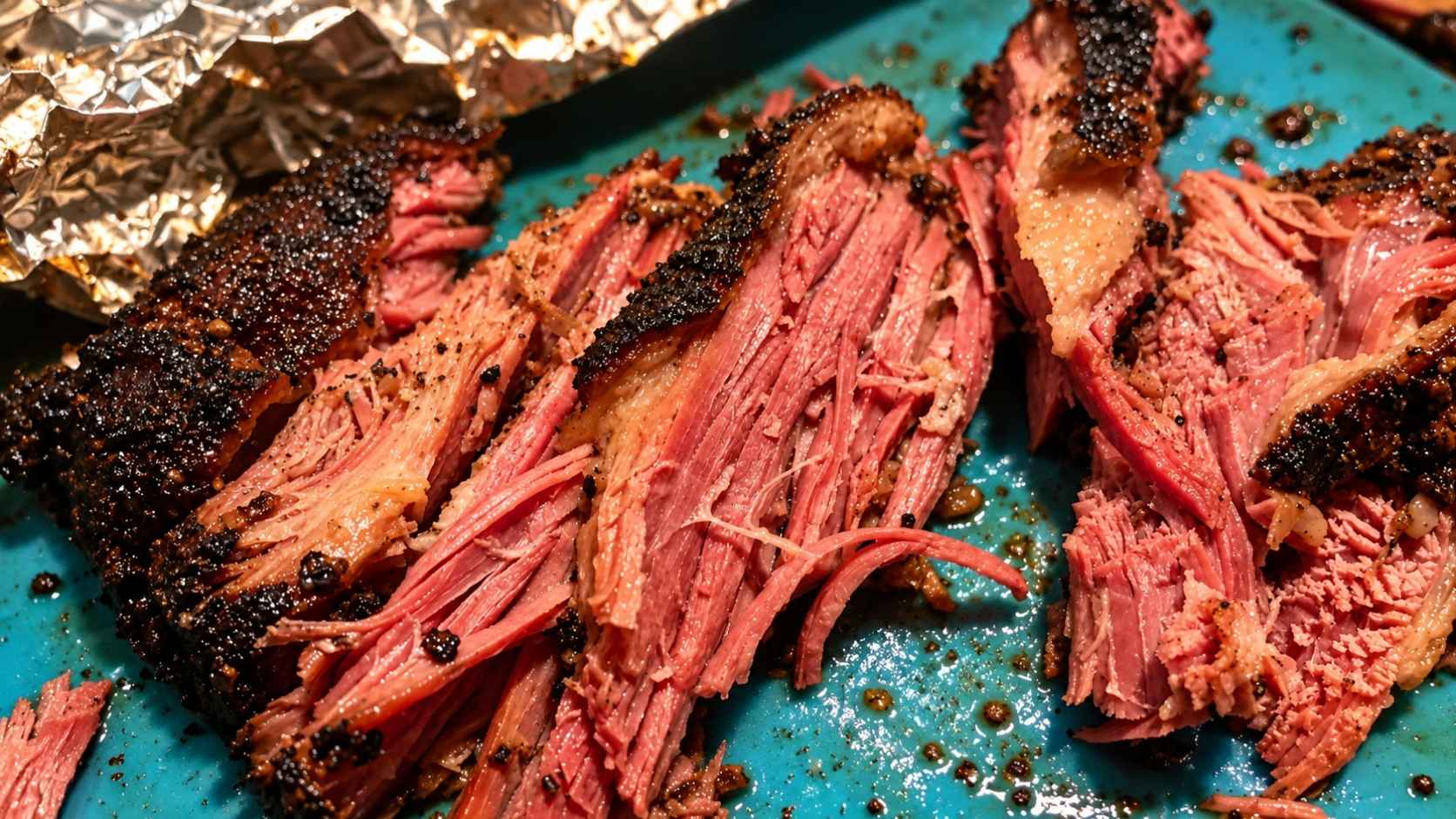
When it's finally time to eat, I separate the point and flat as needed, slice across the grain and let the meat speak for itself. A good brisket should be tender and juicy without falling apart, with a properly developed bark and enough smoke to complement the beef rather than overpower it.
I don't believe you need to bury good barbecue under a mountain of sauce. If the meat has been cooked properly, it should have plenty of flavour on its own. A little sauce on the side is fine, and some good pickles, slaw or simple barbecue sides are usually all that's needed to complete the meal.
And when everyone finally sits down to eat, there's a particular satisfaction in knowing that something which started with lighting a fire in the dark has turned into a meal shared with people you enjoy spending time with.
That's really what Smoking with GT is going to be about.
Over the coming editions, I'll be exploring different cuts of meat, smoking techniques, equipment, rubs, sauces and sides, along with some of the great barbecue traditions that have developed across America and found an increasingly enthusiastic following here in Australia. There'll be plenty of cooking, a few mistakes along the way, some stories from the road and hopefully a few interesting people who share the same passion.
I certainly don't claim to know everything about barbecue. Far from it. I'm still learning, still experimenting and still discovering new ways of doing things, which is probably why I enjoy it so much.
Looking back, it's funny to think that a friendship formed through the music business in Canada back in 2008 would lead me down this road. Larry Wanagas introduced me to something that became far more than another hobby, and every time I light the smoker, there's a little reminder of where it all began.
Music brought us together, barbecue gave us another reason to spend time together, and both have remained important parts of my life ever since. So welcome to Smoking with GT. Pull up a chair, grab a cold one and make yourself comfortable.
We've got a fire to tend, some good music to listen to and plenty of time before dinner.
Listen Now
Denim Sounds Good
Listen to the latest tracks, new releases and old favourites.