

The Perfect Pickle: The Little Sidekick That Makes Great BBQ Even Better
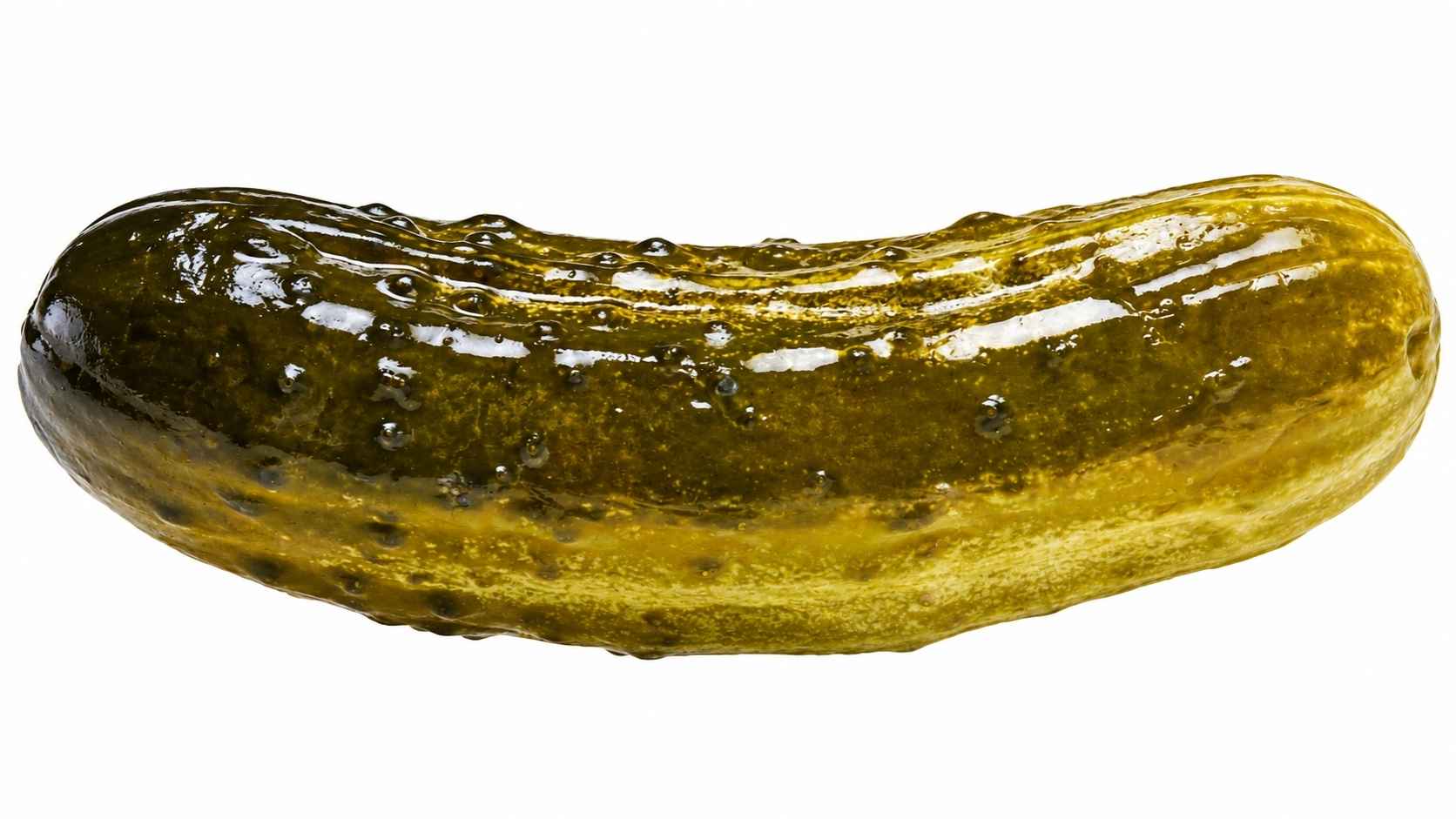
There’s something about a proper BBQ plate that just gets everything right.
A few slices of slow-smoked brisket with a beautiful peppery bark, pork ribs that have spent hours over a wood fire, a couple of smoky sausages, some white bread and, tucked away on the side, a handful of pickles. Nothing particularly fancy, just good food. But take those pickles away and you soon realise how important they are to the whole experience.
Anyone who’s spent a day tending an offset smoker knows the satisfaction of finally sitting down to eat. You’ve been watching the temperature, feeding the fire, keeping an eye on the meat and probably enjoying a cold beer or two along the way. After all those hours, that first mouthful of brisket is pretty hard to beat. Rich, smoky, beautifully tender and full of flavour. But somewhere between the second and third bite, something as simple as a cold, crunchy pickle can make all the difference.
It’s one of those little things the Americans have understood for generations, particularly down in Texas, where BBQ is as much a part of the culture as country music, old pickup trucks and a good roadside roadhouse. Walk into a traditional Texas BBQ joint and chances are you’ll find sliced white onions, jalapeños and dill pickles sitting alongside the meat. They’re not there to make the plate look pretty. They have a job to do, and they do it remarkably well.
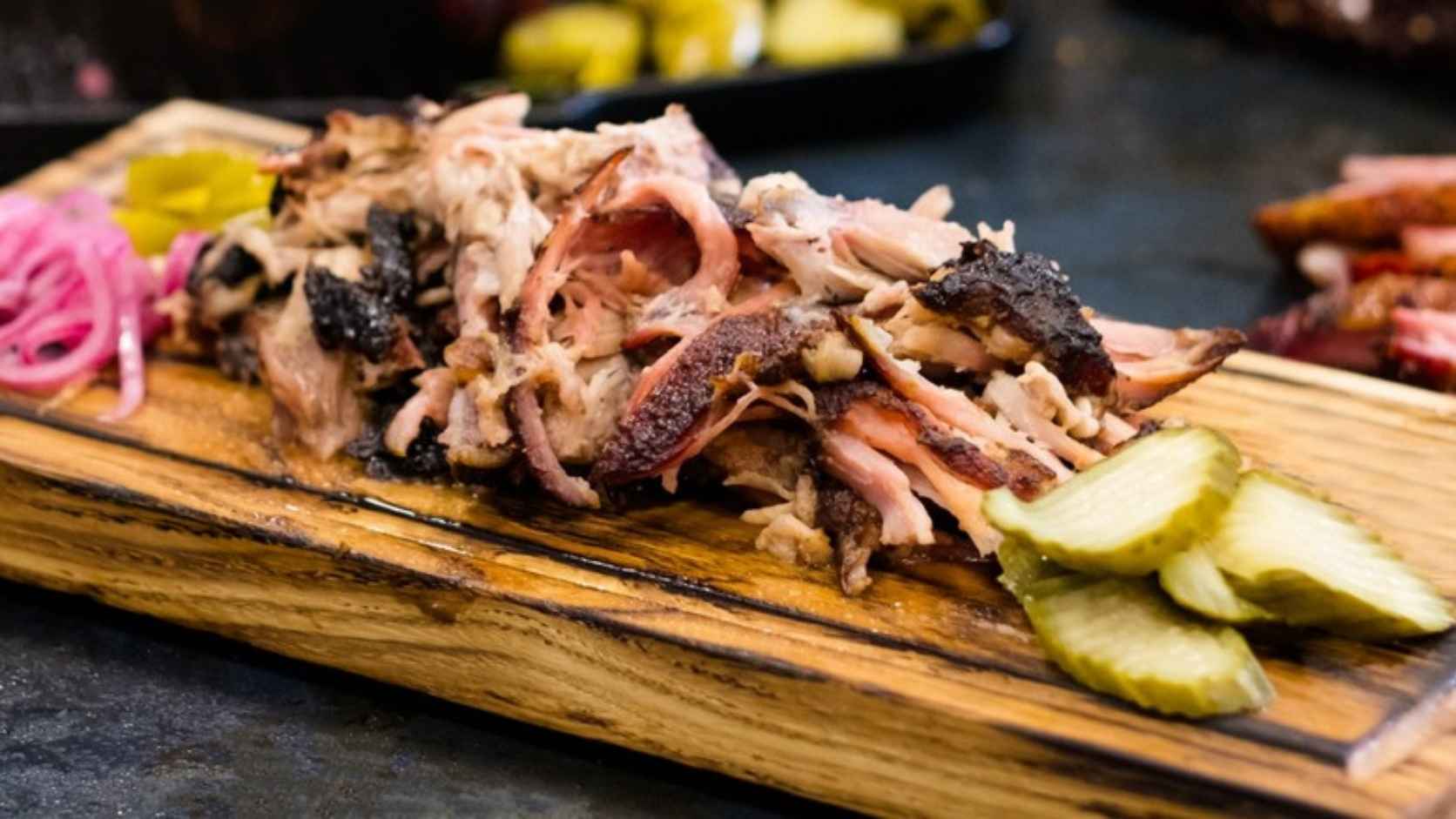
The secret is acidity. Good BBQ, particularly brisket and pork ribs, is rich in fat, smoke and seasoning. A sharp, vinegary pickle cuts straight through all that richness, cleans up your palate and gets you ready for the next mouthful. It’s the same reason a squeeze of lemon works so well with seafood or a little vinegar brings a plate of fish and chips to life. Sometimes it’s the contrast that makes everything taste better.
But there’s a big difference between an ordinary pickle and a really good one. For me, it starts with the crunch. You want that unmistakable snap when you bite into it, followed by a hit of vinegar, garlic, dill and just enough salt to bring everything together. A little sweetness is fine, but when it comes to traditional BBQ, I reckon the pickle should lean towards the sharp and savoury rather than the sweet. You’ve already got plenty of sweetness coming from BBQ sauces, rubs and glazes. The pickle needs to bring something different to the table.
That’s why the classic Texas-style dill pickle is so hard to beat. White vinegar provides that clean, sharp bite, while fresh dill, garlic, mustard seeds and black peppercorns build the flavour. A few coriander seeds add another dimension, and a little chilli gives it some warmth without taking over. Nothing complicated, just a handful of ingredients that work beautifully together.
The cucumber itself is equally important. Small, firm Lebanese cucumbers are ideal, especially when they’re fresh and have plenty of crunch. I prefer them sliced into reasonably thick rounds, around five to seven millimetres, although long spears work just as well. The trick is not to cook them. A cold brine and a couple of days in the fridge will give you a pickle with plenty of flavour while keeping that all-important texture.
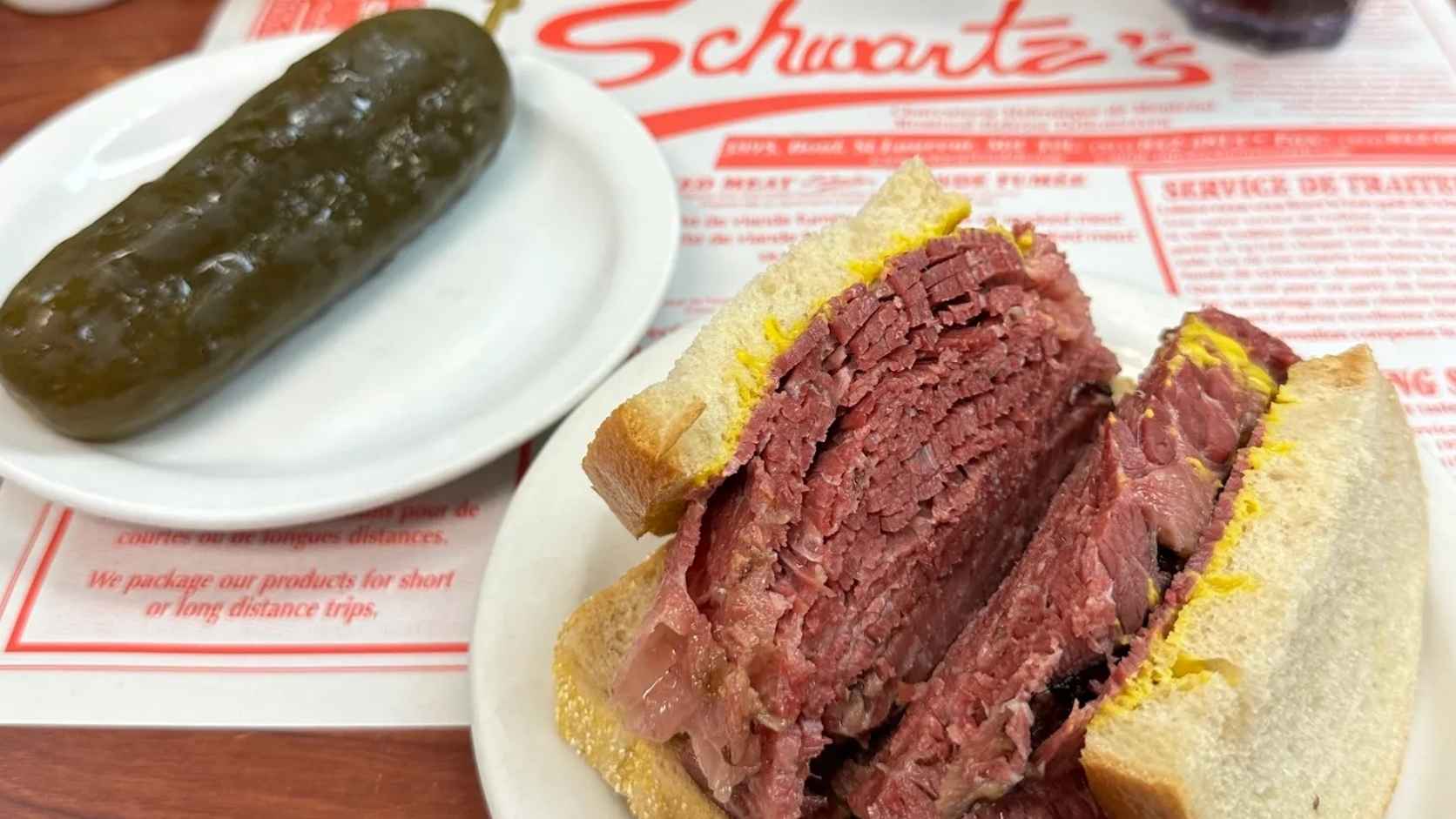
And the beauty of making your own is that you can get them exactly how you like them. Want a little more garlic? Throw another clove in. Prefer a bit of heat? Add some fresh jalapeño. Like your pickles particularly sharp? Keep the sugar to a minimum. Once you’ve made a couple of batches, you’ll soon work out the balance that suits your taste.
Of course, different styles of BBQ call for different pickles. A sharp dill pickle is perfect with fatty brisket, while pork ribs with a sweet, sticky glaze can handle something a little sweeter. Pulled pork works beautifully with bread-and-butter pickles or pickled red onions, and a spicy dill pickle is a great companion to smoked sausages. Even chicken wings benefit from something sharp and crunchy sitting alongside them.
What I particularly like about traditional American BBQ is that nobody seems too concerned about dressing things up. Some of the best BBQ in Texas is served on butcher's paper, often on a simple metal tray, with a few slices of white bread, pickles and onions. The meat does the talking, and everything else is there to make it better. There’s a certain honesty to that approach, and it’s something I reckon we could embrace a little more often.
The same thinking applies to the pickles. You don’t need expensive ingredients, complicated equipment or some secret family recipe handed down through five generations. Just good cucumbers, a decent brine, a few spices and a little patience. Make them a couple of days before you fire up the smoker and they’ll be ready when the meat comes off.
And if you’re anything like me, you’ll probably find yourself sneaking a few straight from the jar while you’re waiting for the brisket to rest.
Because sometimes the best things on the BBQ table are the simplest.
From the Denim Is Good Kitchen: Texas-Style BBQ Dill Pickles
There are plenty of ways to make pickles, but this is the style I keep coming back to for BBQ. Sharp, crunchy, full of garlic and dill, with just a little spice in the background. They’re particularly good alongside slow-smoked brisket, pork ribs and sausages, and they’re easy enough to make while you’re getting everything ready for a weekend around the smoker.
Preparation time: 15 minutes
Pickling time: 24–48 hours
Makes: Approximately two medium jars, depending on their size
What You'll Need
• 1 kg small, firm Lebanese cucumbers
• 500 ml white vinegar (5% acidity)
• 500 ml cold water
• 30 g fine salt
• 15 g white sugar
• 5–6 garlic cloves, lightly crushed
• 4–5 sprigs fresh dill
• 2 teaspoons yellow mustard seeds
• 1 teaspoon whole black peppercorns
• 1 teaspoon coriander seeds
• ½–1 teaspoon dried chilli flakes (optional)
Putting It All Together
Start with the cucumbers. Give them a good wash under cold water and trim a thin slice from the blossom end of each one. This helps prevent them from going soft. Cut them into thick rounds, around five to seven millimetres, or slice them lengthways into spears. I prefer the rounds for BBQ because they’re easy to grab between mouthfuls of meat.
Make the brine. Combine the white vinegar, water, salt and sugar in a large jug or saucepan and stir until everything has dissolved. If the salt and sugar need a little help, gently warm a small amount of the liquid, dissolve them in that and mix it back into the rest. Just make sure the brine is completely cold before it goes anywhere near the cucumbers.
Pack the jars. Divide the garlic, dill, mustard seeds, peppercorns, coriander seeds and chilli flakes between two clean glass jars. Pack the cucumber slices in firmly, but don't squash them. You want enough room for the brine to work its way around everything.
Add the brine. Pour the cooled liquid over the cucumbers until they're completely submerged, then seal the jars and put them straight into the fridge.
Now comes the easy part. Leave them alone. After 24 hours they'll be developing that familiar pickle flavour, but I reckon 48 hours is where they really start to come into their own. The garlic mellows, the dill works its magic and the vinegar gives everything that sharp, tangy bite.
Serve them cold. Straight from the fridge is best, particularly when they're sitting alongside hot brisket or ribs. Add some sliced white onion and a few jalapeños and you've got yourself a proper Texas-style BBQ accompaniment.
A Few Things I've Learnt About Making Good Pickles.
The fresher the cucumber, the better the pickle. If they’re already a little soft when you buy them, no amount of clever pickling is going to bring back that crunch.
Don't be tempted to pour hot brine over the cucumbers. It might speed things up, but it can also soften them, and for me, the crunch is half the reason you're making them in the first place.
Go easy on the sugar. There's nothing wrong with a sweet pickle, particularly on a burger, but when you're serving smoked brisket or pork ribs, a sharper dill pickle is generally the better choice.
And don't be afraid to experiment. A sliced jalapeño, a little extra garlic or a few more mustard seeds can change the character of the whole batch. That's part of the fun of making your own.
These are refrigerator pickles, not shelf-stable preserves, so keep them chilled and aim to use them within two to three weeks. Always use clean utensils and discard them if there are any signs of spoilage.
The Last Bite - Next time you're planning a big BBQ, give the pickles a little more thought. Spend the fifteen minutes making a couple of jars a few days beforehand, and when that brisket finally comes off the smoker, you'll have something pretty special waiting alongside it.
After all, you can spend half a day chasing the perfect bark, smoke ring and tenderness, but it's often the little things that bring the whole plate together.
And a great pickle is definitely one of them.
Listen Now
Denim Sounds Good
Listen to the latest tracks, new releases and old favourites.