

Did Hi-Fi Ever Get Better Than This?
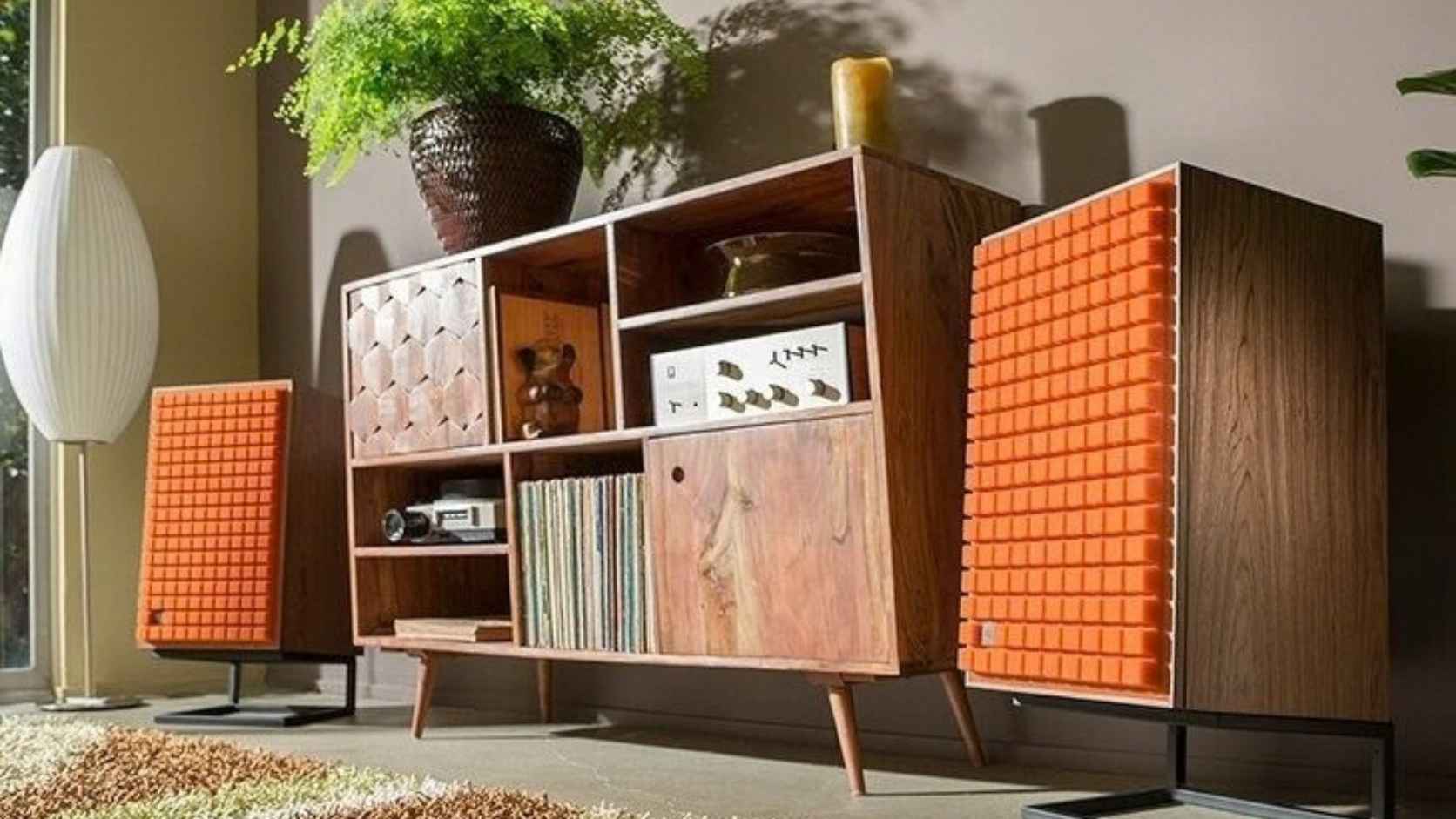
The JBL L100 Century, There was a time when listening to music was an event.
The stereo wasn’t hidden away, built into the television or reduced to a little wireless speaker sitting on a shelf. It was part of the room and, if you were serious about music, probably one of the most important things in it. There was the turntable, the amplifier with its heavy switches and glowing meters, shelves full of records and, standing proudly at either end of the room, a pair of speakers that looked more like furniture than technology.
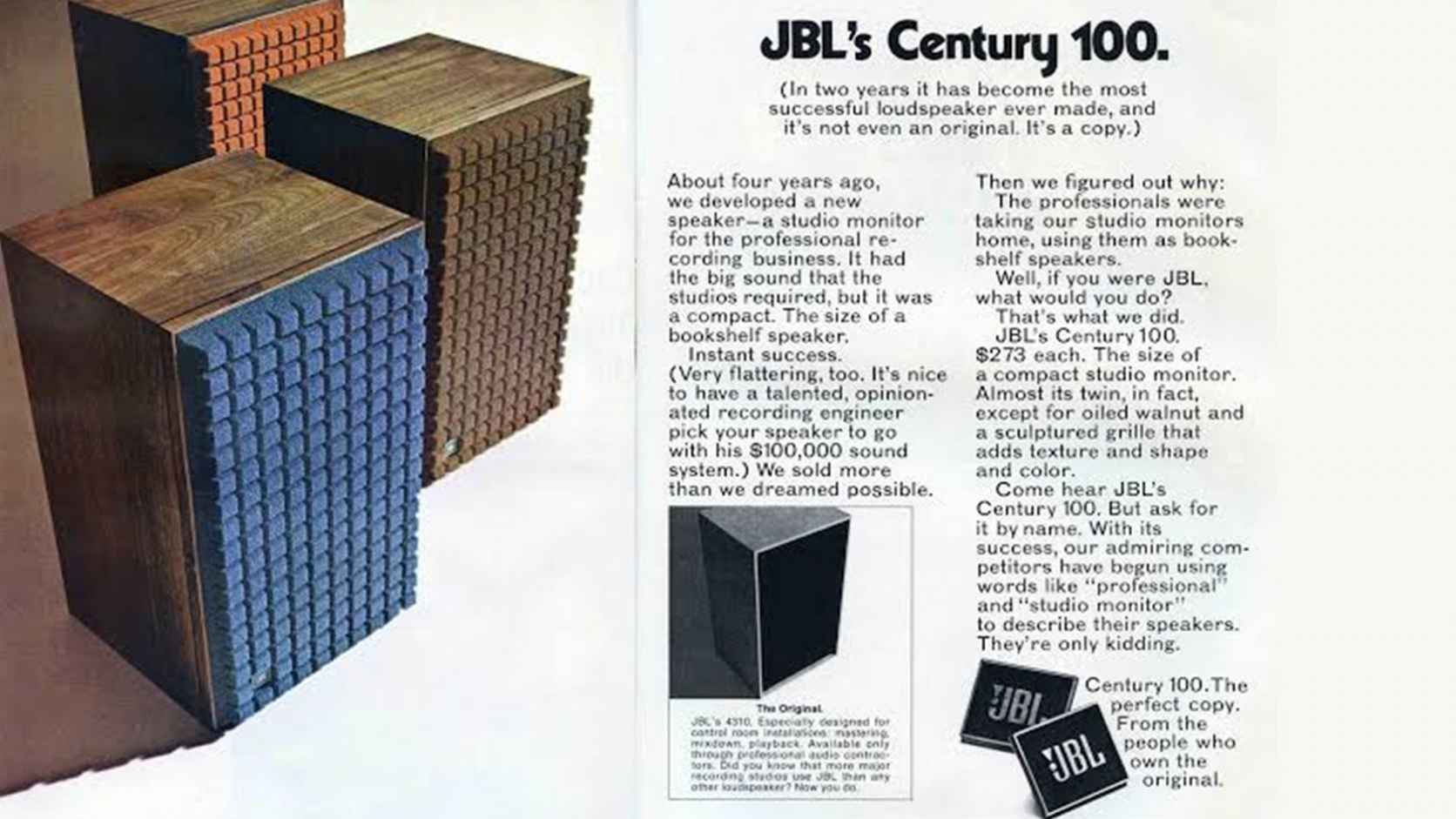
Few speakers captured that time better than the JBL L100 Century. Released in 1970, the L100 came from serious stock. JBL had already developed its highly successful 4310 studio monitor, which was finding its way into professional recording studios, and the idea behind the L100 was relatively simple: take some of that studio thinking and build a version for people who wanted the experience at home. What emerged became one of the great icons of 1970s hi-fi.
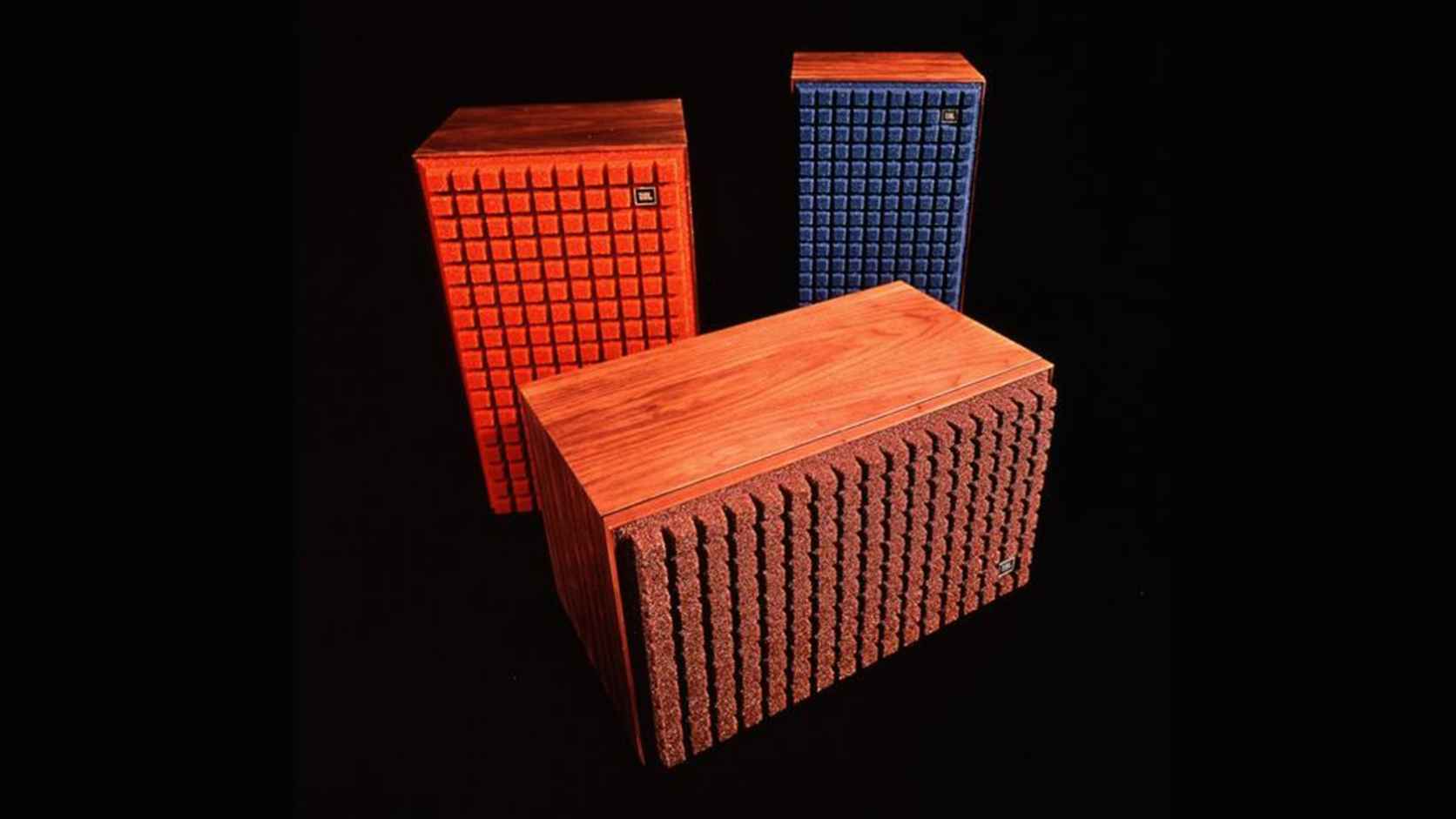
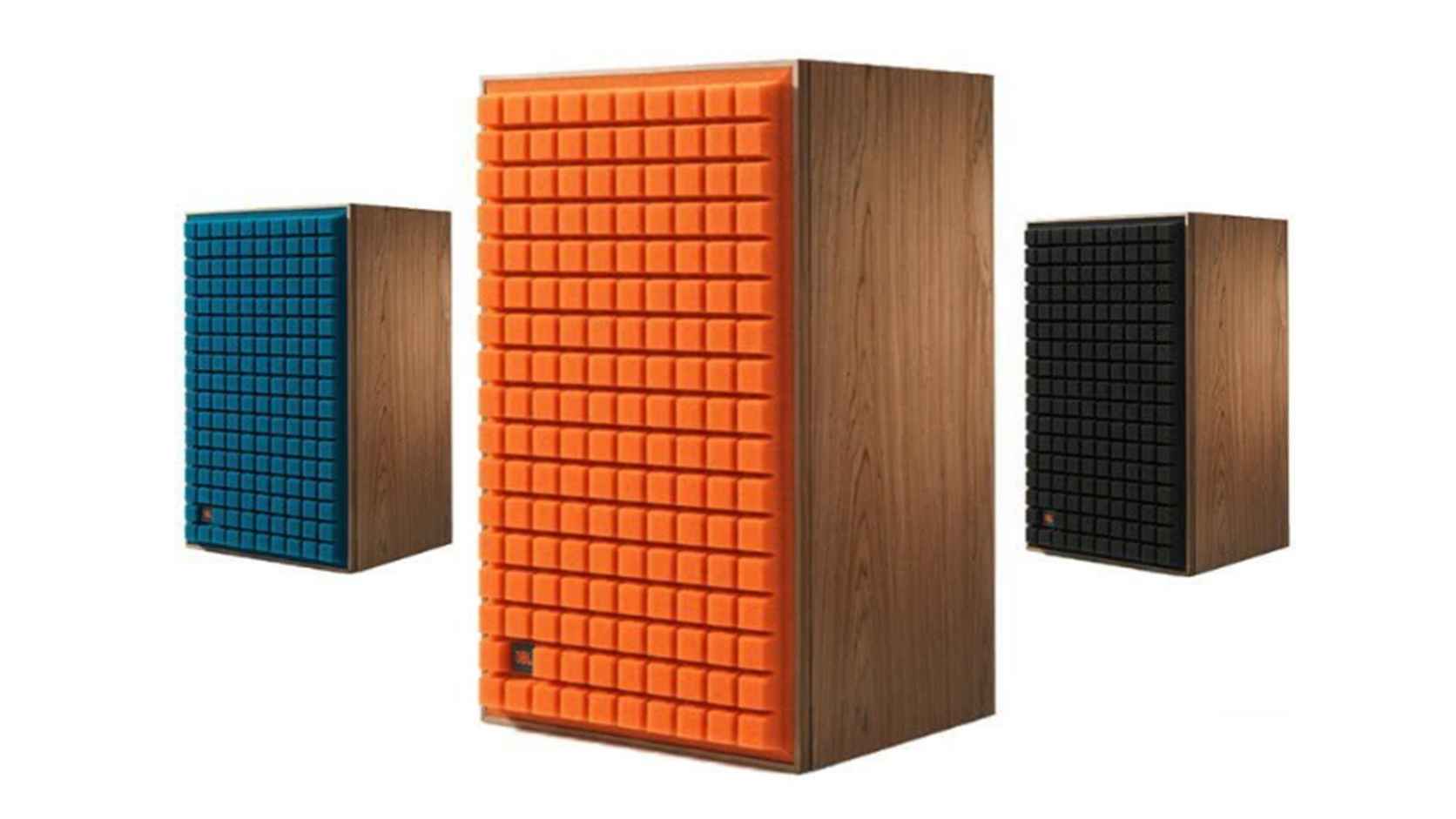
The L100 was big, square and beautifully uncomplicated. A walnut-veneer cabinet housed a three-way system built around a substantial 12-inch 123A-1 woofer, a 5-inch LE5-2 midrange and an LE25 tweeter. Then JBL put that extraordinary Quadrex foam grille across the front and turned a loudspeaker into something you could recognise from the other side of the room.
Those sculpted grilles became part of the L100 story, particularly in their wonderfully seventies colours. They were bold because the speaker itself was bold. Nobody seemed particularly interested in making the L100 disappear into the décor. You bought a pair of JBLs and people knew you owned a pair of JBLs.
But looking good only gets you so far. What really made the L100 was the way it played music. It had punch. Drums arrived with weight, bass had a physical presence, vocals pushed forward and guitars seemed to leap out of the cabinet. It wasn't a shy speaker and it certainly wasn't designed to make rock & roll sound polite. There was an energy to it that suited exactly what was happening in music at the time.
Think about the records people were bringing home during those years. Led Zeppelin, The Rolling Stones, Pink Floyd, Fleetwood Mac, David Bowie and Stevie Wonder, alongside the country-rock of The Eagles, Neil Young, Linda Ronstadt, Jackson Browne, Gram Parsons, Emmylou Harris and The Flying Burrito Brothers, and the Southern swagger of Lynyrd Skynyrd and The Allman Brothers Band. These were albums made when studios were full of musicians playing through big amplifiers, acoustic guitars sounded like wood and strings, drums had room around them and records were expected to move some air.
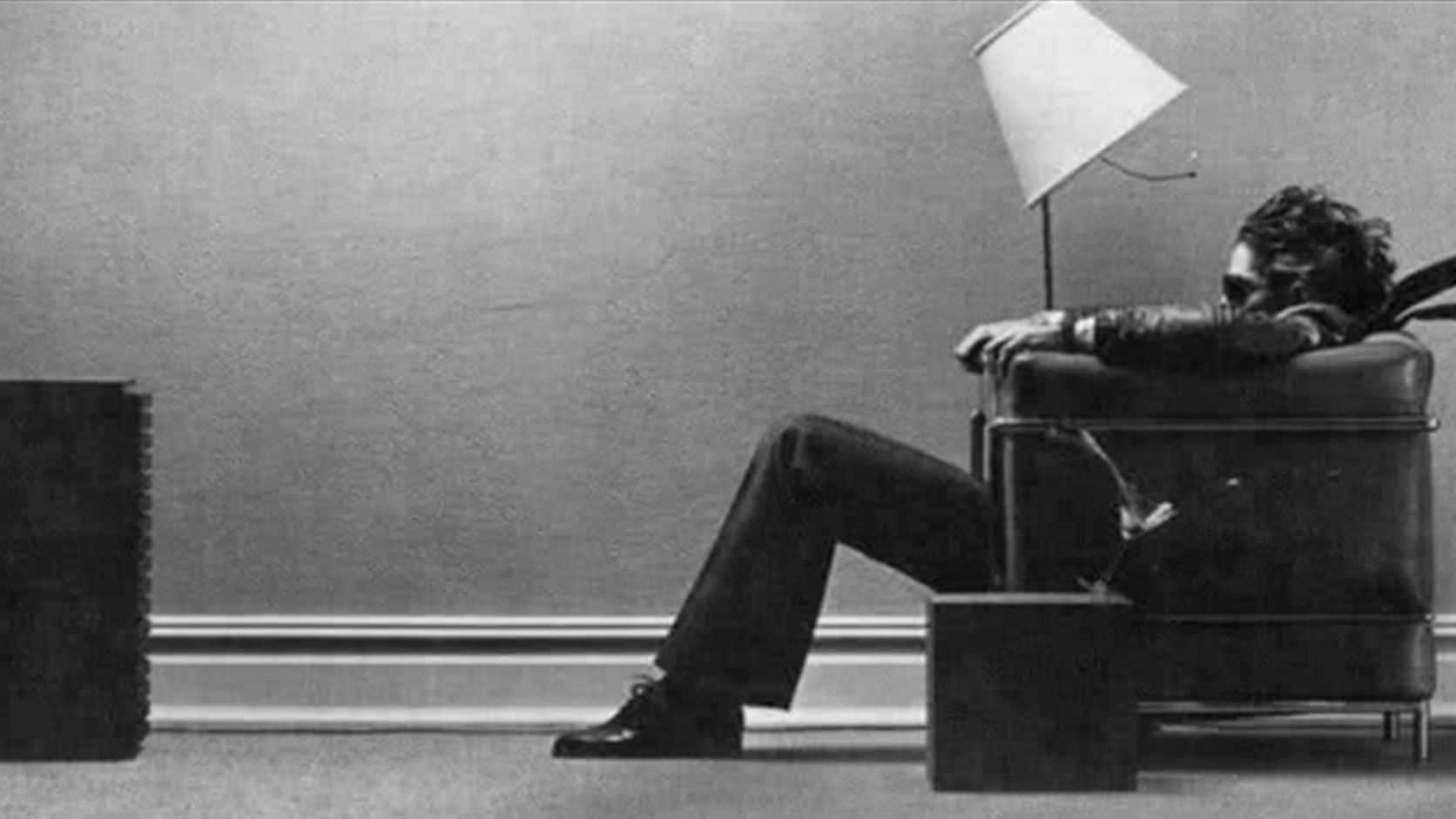
Put Hotel California, Harvest, Desperado, Running on Empty, Exile on Main St., Rumours or Pronounced 'Lĕh-'nérd 'Skin-'nérd through a pair of L100s and you begin to understand why these speakers became so successful. They weren't necessarily asking you to sit there analysing the recording. They were asking you to turn it up.
Put one of those records on through a pair of L100s and you begin to understand why they became so successful.
They weren't necessarily asking you to sit there analysing the recording. They were asking you to turn it up.
And people did.
The L100 went on to become the best-selling loudspeaker in JBL's history, taking technology with its roots in the recording studio and putting it into living rooms around the world. In the process, it became part of a golden period for home hi-fi when owning a great stereo was something people genuinely aspired to.
That entire experience feels different now. Today we have extraordinary technology. Modern speakers can be more accurate, amplifiers quieter, digital recordings cleaner and streaming has given us instant access to almost every record we could ever want to hear. From a technical point of view, it's difficult to argue that hi-fi hasn't improved.
But did listening to music improve with it? That's where things become interesting. With an old system, there was a ritual involved. You went to the record shop, bought an album, brought it home and removed it from the sleeve. You put it on the turntable, lowered the stylus, walked back to the chair and listened. Usually to the whole side.
You looked at the cover. You read the liner notes. You discovered who played piano on track four and who produced the record. Twenty minutes later you got up, turned it over and did it again. The inconvenience was part of the experience.
And the stereo itself was part of the theatre. Turn on a great seventies amplifier and the dial lit up. Meters started moving. Switches clicked. The volume control had some weight to it. Then those big JBL woofers began moving and suddenly the equipment wasn't simply reproducing the music — it felt involved in it.
Friends came around carrying records under their arms. Somebody inevitably said, “You've got to hear this,” and everyone sat down while a particular track was played much louder than necessary. Arguments followed about albums, guitar players, pressings, speakers and whether one amplifier really sounded better than another.
Nobody called it an “audio experience”. You were just listening to records.
That's perhaps why the L100 still has such appeal more than half a century later. It's not simply nostalgia and it isn't necessarily because an original L100 can outperform every modern loudspeaker. Plenty of contemporary speakers will measure better and reproduce a recording with greater neutrality and precision.
The JBL has something else. Character. It's the same reason someone might prefer an old Fender guitar, a mechanical watch or a 1970s Ford over something objectively more advanced. Perfection isn't always the thing that makes us fall in love with something.
The L100 has personality. It looks like the era it came from and, in many ways, sounds like it too — big, warm, immediate and ready for another record.
Original examples are now sought after by collectors and music lovers, and JBL itself has returned to the design with modern interpretations including the L100 Classic and L100 Classic MkII. It's difficult to think of many pieces of consumer technology from 1970 whose basic appearance could be brought back decades later and still look completely at home. Maybe that's because the original design never really went out of style.
Or perhaps we've simply realised that something was lost when our music systems became smaller, invisible and increasingly convenient. We gained access to millions of songs, but somehow started listening to fewer albums. We gained portability but lost the chair between the speakers. We removed the scratches, switches, cables and inconvenience, but perhaps took away a little of the occasion as well.
Which brings us back to the JBL L100. Put a pair in a room today with a beautiful old turntable and a big silver-faced amplifier and something happens before you've even played a record. You want to use them. You want to pull an album from the shelf, lower the needle and find out what it sounds like. Then the first drum beat comes through those 12-inch woofers. You turn it up. And for the next forty minutes there isn't a notification, algorithm or playlist in sight. Just you, the record and two big walnut boxes moving air.
Did hi-fi get better than the JBL L100? Technically, almost certainly. Did listening to music get better than this?
That's a much harder argument to win.
Listen Now
Denim Sounds Good
Listen to the latest tracks, new releases and old favourites.